
At a time when companies face constant change, leaders are looking for new ways to sustain performance, innovate, and attract or retain key people. While the rest of the world increasingly talks about corporate culture as one of the most powerful tools for growth, in Czechia it often stays on the back burner. And the data confirms it.
Corporate culture as a growth opportunity
According to a recent PwC survey of Czech CEOs, only 5% of the leaders surveyed see corporate culture as a major growth opportunity over the next 12 months. Most focus primarily on innovation, expansion, and technological development. Their biggest concern remains a shortage of quality people.
At first glance, that makes sense — except corporate culture can be exactly one of the key factors in retaining quality people, attracting new ones, and supporting both innovation and performance. Leaders abroad appear to understand this far better than their Czech counterparts.
Research by global consulting firm Spencer Stuart, covering more than 2,000 CEOs and senior executives along with 1,200 employees, shows the exact opposite trend. As many as 75% of leaders surveyed said corporate culture is a strategic priority for them when managing change. They see it as an essential tool for adaptation, engagement, and long-term company performance.
Why is there such a difference in approach? At many companies abroad, leadership already understands that corporate culture isn't just a “soft” HR topic, but a key tool for strategic change. At Kogi, we like to say that culture is the engine behind strategy. While strategy determines the route on the map, culture is the engine that drives us forward along that route. Thanks to a strong culture, companies can handle digital transformation better, respond faster to shifting markets, and build an environment where people want to stay and perform at their best.
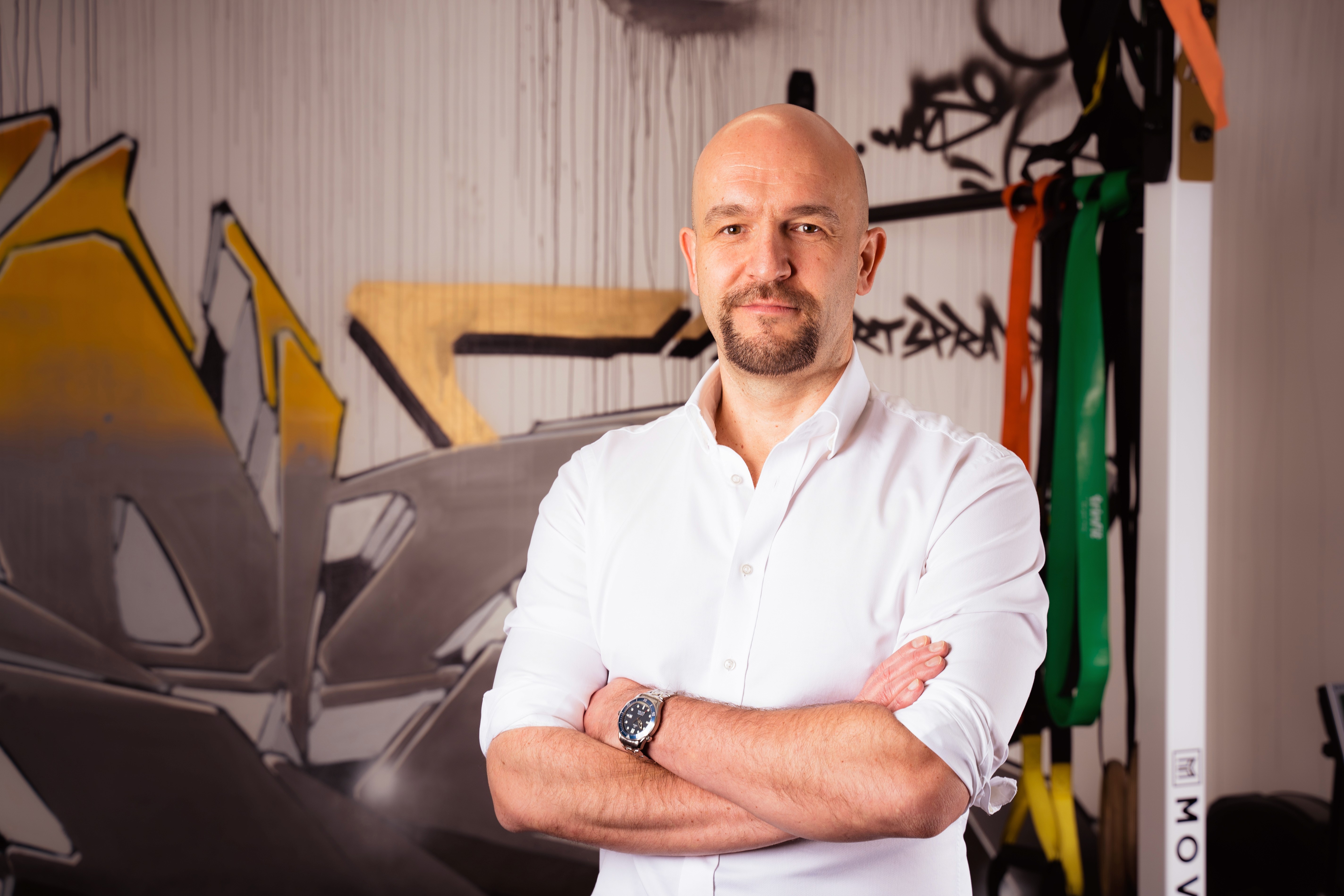
“A lot of today's CEOs in Czechia were shaped by the communist era, when organizational culture simply wasn't discussed — because there was only one culture, handed down from above. That's left its mark on how culture is perceived as a topic at all. Much like the Dunning-Kruger effect, culture often gets talked about, but few leaders truly understand everything it involves and why it's a hard business topic. If it isn't managed from the top of the company, it ends up in unmet goals and ambitions. Change is possible, but as with other blind spots, it only comes through systematic learning. I think it will take at least another 5 years before Czech company leadership catches up to global standards on this,” comments Filip Černý, Partner at Kogi, on the situation.
In Czechia, culture is still often seen as a “nice to have” — something that doesn't need addressing right away, and that's hard to grasp or measure. But that's exactly why companies may be missing out on their biggest opportunity: creating an environment that motivates and connects people, and that supports the company in delivering on its strategy and achieving its goals.
The company's operating system
Corporate culture isn't benefits or slogans on the wall. It's how a company actually operates, day to day. It shows up in many elements of an organization — from its mission and values, through organizational structure, leadership style, level of transparency, and work environment, to communication habits and the compensation system.
Corporate culture has a direct impact on how well a company can adapt to change, how effectively teams collaborate, what style of leadership dominates, and how attractive the company is to new talent.
It's the everyday reality of how work gets done, how people communicate, and how decisions get made at a company. And that reality is what decides whether a strategy stays on paper — or turns into real results.
Czech CEOs, maybe it's time to shift your perspective! Corporate culture isn't a side issue. In today's world, full of change and uncertainty, it may be exactly what decides whether your company grows — or stays stuck in place.